When a monsoon peels back roof membranes on a Scottsdale townhome block or a plumbing riser bursts in a Tempe mid-rise, the event doesn’t stop at one front door. It moves through common roofs, party walls, shared mechanical systems, and walkways. The result is a claim that sits squarely with the homeowners association, not a single unit owner. Arizona public adjusters who focus on HOA and community claims live in that space, where governing documents, master policies, and hundreds of stakeholders meet the practical realities of drying, rebuilding, and negotiating with carriers.
This is not about inflating numbers or picking fights. The associations that do well approach claims like a long project with financial, legal, and political components. A seasoned public adjuster becomes project manager, translator, and tactician. Choosing the right one, and knowing how to use them, can decide whether your community patches the damage or truly recovers.
How HOA and community claims differ from single‑family losses
An HOA claim starts with a simple question: what is “common” versus what belongs to a unit owner. The answer is buried in the CC&Rs, bylaws, and often decades of amendments. In an older Phoenix condominium, for example, the master deed may define drywall out as owner responsibility, while insulation and studs belong to the association. A newer infill community near downtown may push the boundary to the paint. Those lines matter, because the master policy responds to common elements, and the owner’s HO‑6 picks up from there.
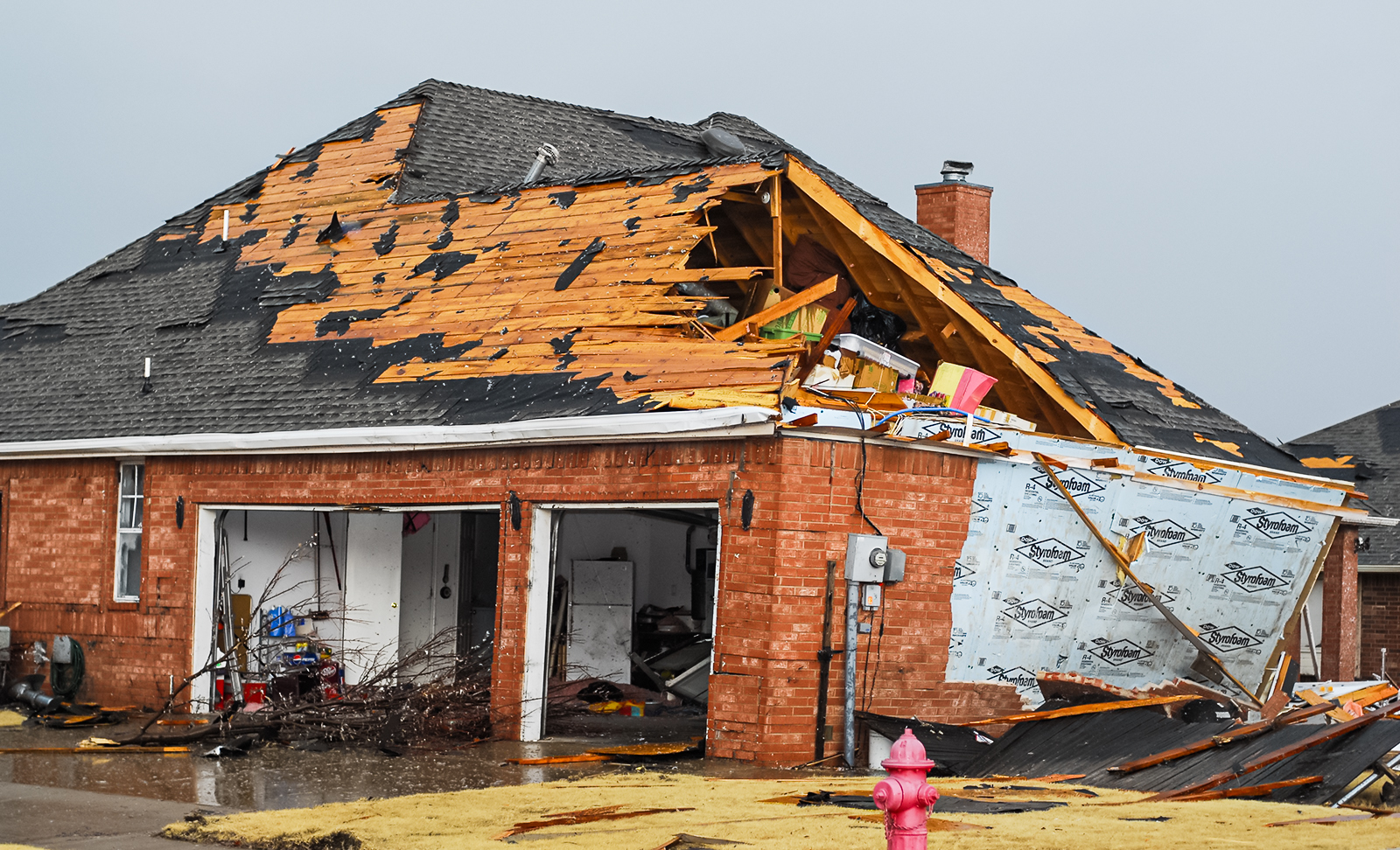
Scale also changes the math. A hail event that affects 18 buildings across a community creates a patchwork of damage categories. Not every tile is broken, not every roof slope meets the same wind uplift test, and not every air conditioner coil shows impact. Scope becomes a matrix, not a line item. Carriers will send large-loss adjusters and building consultants. Without comparable sophistication on the HOA side, the conversation tilts early and never rebalances.
Shared systems create edge cases. A corroded domestic water riser leaks into four stacks, soaking drywall in nine units and the hallway. The association might own the riser and pay the mitigation bill, but the finishes in each unit are different. Wood-clad accent walls in one home, basic texture and paint in another. Properly allocating costs among the master policy, individual HO‑6 policies, and owner-paid upgrades takes discipline and documentation. It also takes tact. Nothing sours a community faster than uneven treatment that looks arbitrary, even when it follows the letter of the CC&Rs.
Finally, the timeline is political. A single-family homeowner can live with a blue tarp for a few weeks. An HOA has board meetings, reserve studies, annual budgets, and owners who expect dues to stabilize. A misstep that delays settlement can mean special assessments or deferred maintenance elsewhere.
Arizona’s regulatory backdrop you need to respect
Arizona law doesn’t micromanage every step, but it sets the ground rules. The Arizona Department of Insurance and Financial Institutions licenses public adjusters under Title 20. A public adjuster cannot charge a fee on payments made before engagement, must hold a written contract with clear fee terms, and owes fiduciary duties to the insured. The statutes cap certain practices, and the Department takes solicitations after disasters seriously. Good firms know those lines and work well within them.
On the policy side, Arizona property policies often include deductibles stated as fixed amounts rather than percentages, though some carriers have introduced wind-hail or named storm deductibles on multifamily risks. The HOA’s governing documents typically specify how those deductibles are assessed to owners, either by square footage, equal shares, or by proximity to damage. The adjuster won’t decide fairness, but they will surface the implications early so the board can prepare messaging and, if necessary, legal counsel can advise.
Arizona’s monsoon pattern shapes expectations too. Claims spike in late summer, and the contractor market tightens. Drying equipment gets scarce, roofers book out, and unit access becomes a gating item. An adjuster who works here plans around those realities rather than promising an idealized schedule that collapses at the first no‑show.
Where a public adjuster adds real value
The best public adjusters for HOA and community claims function like a general contractor for the claim itself. They marshal facts, create scope, and sequence the pieces so the association isn’t dragged by the process.
They start by reading the policy, not just assuming standard ISO forms. Endorsements matter. Ordinance or Law limits, cosmetic damage exclusions for roofs, matching limitations, and depreciation rules can change the outcome by six or seven figures on a large property. I’ve seen a mid‑rise in Chandler discover its Ordinance or Law coverage capped at 10 percent of building limits. With 1980s firestopping deficiencies exposed during water mitigation, that cap became a problem before repairs even began. The adjuster flagged it week one and the board adjusted expectations and budget accordingly.
Scope is next. A carrier will typically send an adjuster with a consultant who writes an estimate in Xactimate or Symbility. That estimate is not the gospel. It reflects a snapshot, a set of assumptions, and usually a pressure to close the file. A public adjuster builds a competing estimate with field-verified quantities, unit-by-unit finish schedules if needed, roof test results, and photos that show why patching fails in practice. For example, concrete tile roofs after hail often present “functional damage” disputes. Cosmetic chips on edges may not trigger a replacement under some endorsements, but broken interlocks or underlayment bruising do. A licensed adjuster who knows when to order uplift tests and when to cut back tiles to inspect underlayment turns theory into evidence.
There is also the claim choreography. With multiple buildings, the adjuster sequences inspections so the carrier doesn’t “sample” the least damaged structures and extrapolate downward. They coordinate owner access, mitigation vendors, industrial hygienists, and roofers. They document dry standard readings rather than relying on someone’s feel for “looks dry.” That record limits later disputes and protects against mold allegations.
On the financial side, the adjuster tracks recoverable depreciation, code upgrades, and soft costs. Temporary fencing, after-hours security, relocation for residents, and board-approved communication expenses can be covered if the policy allows. Many are missed because no one tags them early or ties them to the loss in writing. A solid adjuster builds a ledger that survives audit.
Selecting the right public adjuster for an HOA
Boards often choose by personality or fee percentage alone. Those are factors, but not decisive. If you serve on a board or manage communities, what you want is fit, not flash.
Ask for examples of Arizona multifamily or HOA claims with similar construction. Garden-style stucco and tile behaves differently than flat-roofed foam systems in central Phoenix, and both differ from mid‑rise steel and concrete. An adjuster who can talk about Tucson foam roofs chalking under UV exposure, or how the 3-ply built-up roofs over detached garages handle hail, has context.
Insist they explain their approach to allocation between the master policy and HO‑6. They should be comfortable reading CC&Rs and producing a matrix of responsibility that your counsel can vet. If they promise to “get everything covered,” you’re dealing with someone who hasn’t been through enough claims.
Fee structures in Arizona usually sit in the 5 to 10 percent range of the claim payment, sometimes tiered downward as the claim grows. Lower is not always better. A firm at 6 percent with a building consultant on staff and a real field presence may outperform a 4 percent shop that mostly emails. Clarify whether the percentage applies to recoverable depreciation, code upgrades, and business income or loss of rents, if those coverages exist.
References matter. Not glossy letters, but a phone call with a treasurer who dealt with difficult owners and a thorny deductible allocation. Ask about communication cadence. Did the adjuster ghost for weeks or deliver a biweekly digest with decisions, carrier stance, and next steps?
Finally, check licensing status with the Arizona Department of Insurance. It takes five minutes and avoids regret.
How the process unfolds, and the pressure points
A typical community claim starts Insurance company Mesa messy. Water runs through ceilings, property managers field dozens of calls, and the vendor with the most trucks wins the first night. The adjuster can’t rewind that, but they can impose order quickly.
Initial site review is about stabilizing. They confirm mitigation protocols align with IICRC standards, that containment is adequate if category 3 water is suspected, and that salvageable finishes aren’t being ripped out to keep crews busy. That early oversight can save tens of thousands and, more importantly, helps the claim read as reasonable rather than opportunistic.
Carrier contact often happens within 24 to 48 hours. The goal is to set expectations: this is a multi-building loss, the association has retained a public adjuster, and we will handle access and data. If you let each unit owner talk to the carrier, narratives diverge and the file blossoms into scattered statements that are hard to reconcile later.
Documentation becomes a machine. Room-by-room photos tied to unit numbers and elevation, moisture logs, roof inspection grids, and damage mapping. For hail, chalked slopes, spatter marks on mechanicals, and collateral indicators. For wind, uplift measurements, membrane wrinkles, fastener pull-throughs. For water, baseboard swelling, delamination, and microbial growth if any. The adjuster curates this into a package the carrier can digest, not a photo dump.
Then the first estimate skirmish begins. Carriers will nearly always propose repairs with aggressive assumptions: detach and reset cabinets rather than replace, localized drywall patches rather than full walls, small paint transitions to avoid continuous surfaces. Sometimes they are right. Often they are mathematically wrong in occupied spaces. An adjuster argues the case with code citations, technical data sheets, and photos of texture matching attempts that fail under natural light. On roofs, they point to manufacturer guidance on interlocking tiles or modified bitumen repair limits. On EIFS or stucco, they explain why patching across large planes telegraphs under sun exposure.
Time is the next pressure point. Owners get restless. Boards feel squeezed between getting fair value and the need to move. The adjuster’s job is not to drag the claim, it is to keep momentum while protecting scope. That usually means partial payments. Advance funds for mitigation, then undisputed building exteriors, then interiors, then code upgrades as accepted. A community that receives a steady cadence of payments can start work while the adjuster fights over disputed line items.
A frequent Arizona wrinkle is Ordinance or Law. Older communities often lack current firestopping, shear panel nailing patterns, or energy-code compliant insulation. If the scope opens walls, the building official may require upgrades. Ordinance or Law coverage has three parts: coverage A for loss to undamaged portions, coverage B for demolition, and coverage C for increased cost of construction. Limits may be split or combined. The adjuster tracks these buckets meticulously so you don’t burn through coverage C on the first three stacks and leave the rest of the community exposed.
Communication with owners that actually works
Most HOA disputes during claims are not about money. They are about information gaps and perceived unfairness. A public adjuster with HOA experience will propose a communications plan at intake. That typically includes a one-page overview of the claim process with plain-language answers to who is paying for what under the governing documents. It also means a standard protocol for unit access, key management, and scheduling.
I’ve seen communities send a weekly email on Fridays with four paragraphs: what was completed, what is scheduled, what decisions the board made, and what owners should do in the next seven days. It reads human, not corporate. Owners want to know whether they should move their patio furniture, whether the roofer will block their parking space, and who to call if a vendor does not show. The adjuster feeds the manager these details so the manager can communicate clearly without spending all week chasing vendors.
Noise also matters. Construction in tight courtyard communities echoes. If you need early morning starts in July to beat the heat, set that expectation and give dates. It sounds small, but small things turn into board recall threats in some associations if you ignore them.
Common pitfalls, and how experienced adjusters avoid them
One of the costliest mistakes is scoping to visible damage and skipping destructive testing where justified. In Arizona, tile roofs often hide underlayment that has aged out. If wind lifts tiles and exposes that underlayment, the event may reveal a preexisting condition. A carrier will argue wear and tear. A competent adjuster can separate preexisting age from event-caused damage by testing uplift resistance across slopes, inspecting underlayment conditions under both damaged and undamaged tiles, and applying manufacturer and code criteria. You won’t get age replaced by the insurer, but you can argue for event-related replacement where interlocks break or underlayment is physically compromised.
Another pitfall is treating unit finishes as homogeneous. They rarely are. A line-by-line inventory of finishes by unit, with photographic support, keeps owners with upgraded floors from feeling shortchanged and keeps the association from paying for luxury materials that should be owner obligations under the CC&Rs.
Mismanaging betterments is related. Suppose a unit owner decides to upgrade while repairs occur. The contractor is on-site, the price is good, and they want a nicer countertop. If you don’t set a clean change order process, the cost delta bleeds into the claim scope and becomes a fight later. Adjusters who have done this set separate contracts or clearly delineated change orders paid directly by the owner.
Finally, you can burn relationships by letting vendor selection look like favoritism. The adjuster should help you run a transparent selection with clear criteria: licensing, capacity, Arizona experience, warranty terms, and price. If a board member’s cousin’s company is in the mix, the optics matter. Put that card on the table. A clean process protects the claim and the board.
Case notes from the field
A 112‑unit garden-style community in Mesa was hit by a late summer hailstorm. The carrier initially scoped 40 percent of the tile roofs for repair and replacement of damaged AC fins. The HOA’s adjuster brought in a roof consultant who marked broken interlocks and underlayment exposures, then performed uplift tests on multiple slopes. They also documented hail spatter on rooftop equipment and dented drip edge. The final settlement supported full replacement on 14 of 18 buildings, partial replacements on the rest, complete AC coil combing where functional damage was arguable, and code upgrades for underlayment under the 2018 IRC as adopted locally. The association never claimed age as damage, and they negotiated contractor pricing that locked a schedule before monsoon season reopened. Owners saw crews when they expected them, and the project finished only two weeks past the original plan despite supply chain hiccups for tile.
Another claim in a Phoenix mid-rise involved a failed riser that ran through stacked units. The master policy covered common elements, but finishes were a gray zone in the CC&Rs. The adjuster created a matrix that counsel approved: drywall to the paint was association responsibility, finishes beyond were owner or HO‑6. They met with the carrier and agreed on a method to scope and pay the two layers separately to avoid double recovery or gaps. It took longer to set up, but the execution went smoother. Owners with upgrades paid the delta directly to the contractor through change orders. The HOA never levied a special assessment for the loss because the adjuster caught recoverable depreciation early and sequenced advances as sections were completed.
Working with your manager and counsel as a unified team
Property managers carry the day-to-day weight, and the best adjusters make their load lighter, not heavier. Division of labor helps. The adjuster owns the claim file, estimates, carrier negotiations, and vendor scopes. The manager owns owner communication, access, and board logistics. Counsel interprets the governing documents, ensures deductible allocation aligns with language, and advises when settlement terms might conflict with association obligations.
Set standing check-ins. A 30‑minute call every week during the active phase keeps surprises at bay. Use a shared document with a live action list: outstanding requests from the carrier, pending owner access, code questions awaiting an AHJ response, and payment status. It sounds corporate, but it saves hours.
What to expect on fees, timelines, and outcomes
For a community-sized claim in Arizona, a reasonable fee for a public adjuster is typically a percentage of the claim proceeds, often between 5 and 10 percent. On very large claims, that percentage sometimes steps down. Good contracts exclude amounts paid before engagement and spell out how fees apply to advances, depreciation, and code coverage. Some firms will offer hourly consulting on smaller disputes, which can make sense when the board needs help on scope but not a full retainer.
Timelines vary. A straightforward hail claim with clear damage and good access can resolve in 3 to 6 months from first notice to final payment, with work occurring in parallel. Complex water losses in vertical properties can stretch 6 to 12 months because of investigations, access issues, and code. Vendor capacity during monsoon season adds variance. The adjuster can shorten the variance band by front-loading documentation and pressing for partial payments.
Outcomes are measured beyond dollars. Well-run claims maintain community trust, avoid special assessments, and perform work that stands up to the next storm. Poorly run claims create lingering defects, drained reserves, and boards looking over their shoulders.
Practical steps for boards before the next loss
A few actions taken in quiet months pay off when weather hits. Review your CC&Rs with counsel and confirm the maintenance and insurance responsibility matrices still match how the board operates. Update your deductible resolution and make sure owners know the allocation method. Ask your agent to walk the board through master policy endorsements, especially any cosmetic damage or matching limitations and Ordinance or Law limits. Pre-qualify mitigation and roof vendors, not as exclusive picks, but as vetted options with current certificates and capacity. Keep a digital plan set and a finishes schedule by unit, even if it is a basic one, to cut time during scoping.
If you plan to use a public adjuster when a large loss occurs, interview candidates now. There is no commitment to hire, but when a storm hits, the firms you want will be busy. Knowing who you trust saves precious days.
A brief checklist when hiring a public adjuster
- Arizona license status verified, with no recent disciplinary actions Demonstrated Arizona HOA or multifamily claim experience with references Clear fee contract, including how advances and depreciation are handled Plan for allocation between master policy and HO‑6 consistent with CC&Rs Communication cadence and a named point of contact who will be on-site
Final thought from the trenches
Arizona’s climate gives communities long dry stretches and then sudden, punishing weather. The physical work of putting things back together is only half the job. The other half is aligning policy language, community rules, politics, and human expectations. Public adjusters who thrive here don’t just write estimates. They build cases, keep people informed, and understand what a board faces when 200 neighbors demand answers. If you select well and set the right structure, the claim becomes a managed project rather than a runaway event, and your community ends up restored rather than merely patched.
Select Adjusters LLC
2152 S Vineyard #136, Mesa, AZ 85210
+1 (888) 275-3752
[email protected]
Website: https://www.selectadjusters.com